PERMUTATIONS, COMBINATIONS, AND PROBABILITY

Arranging, selecting, predicting! How Arrangements and Probabilities Shape the World!

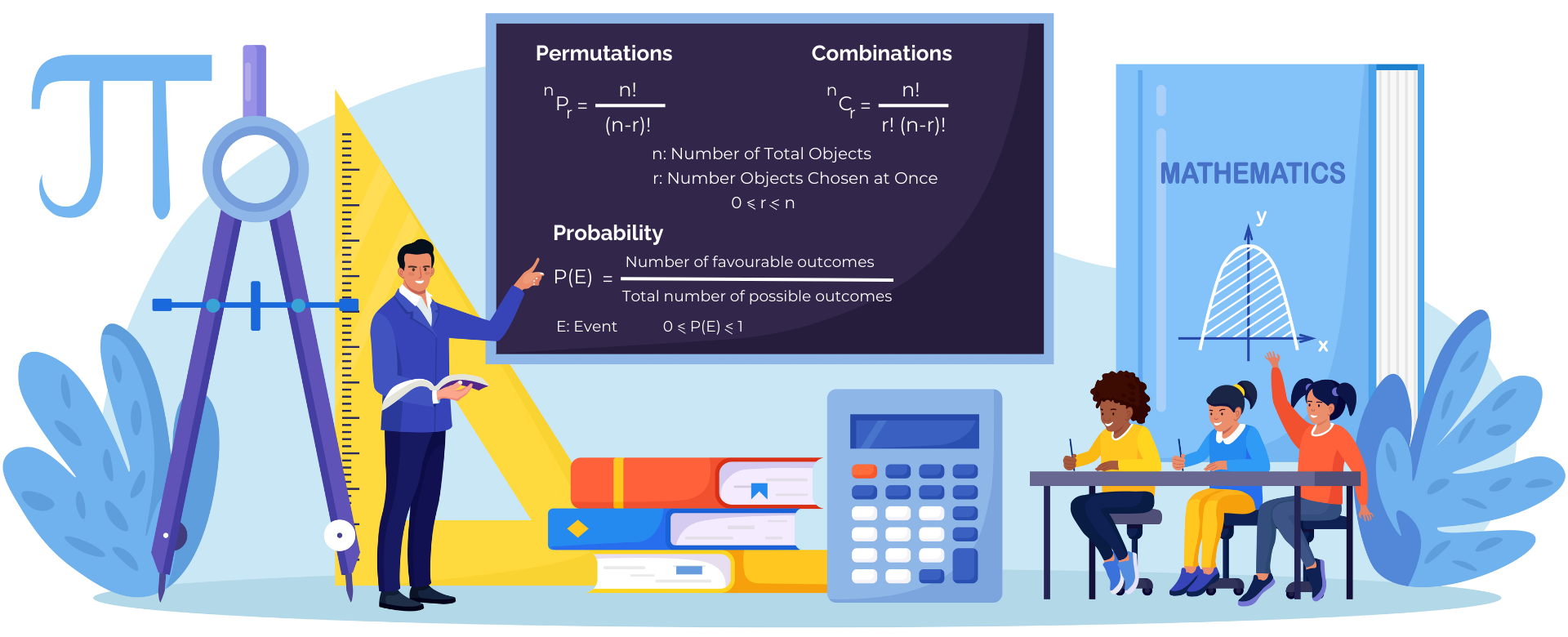
Permutations, combinations, and probability are foundational concepts in mathematics, providing tools to systematically count, arrange, and evaluate the likelihood of events. These concepts are essential not only in pure mathematical fields such as statistics, combinatorics, and data science, but also in practical applications across a range of disciplines, including computer science, engineering, biology, and finance.

Watch Video
img

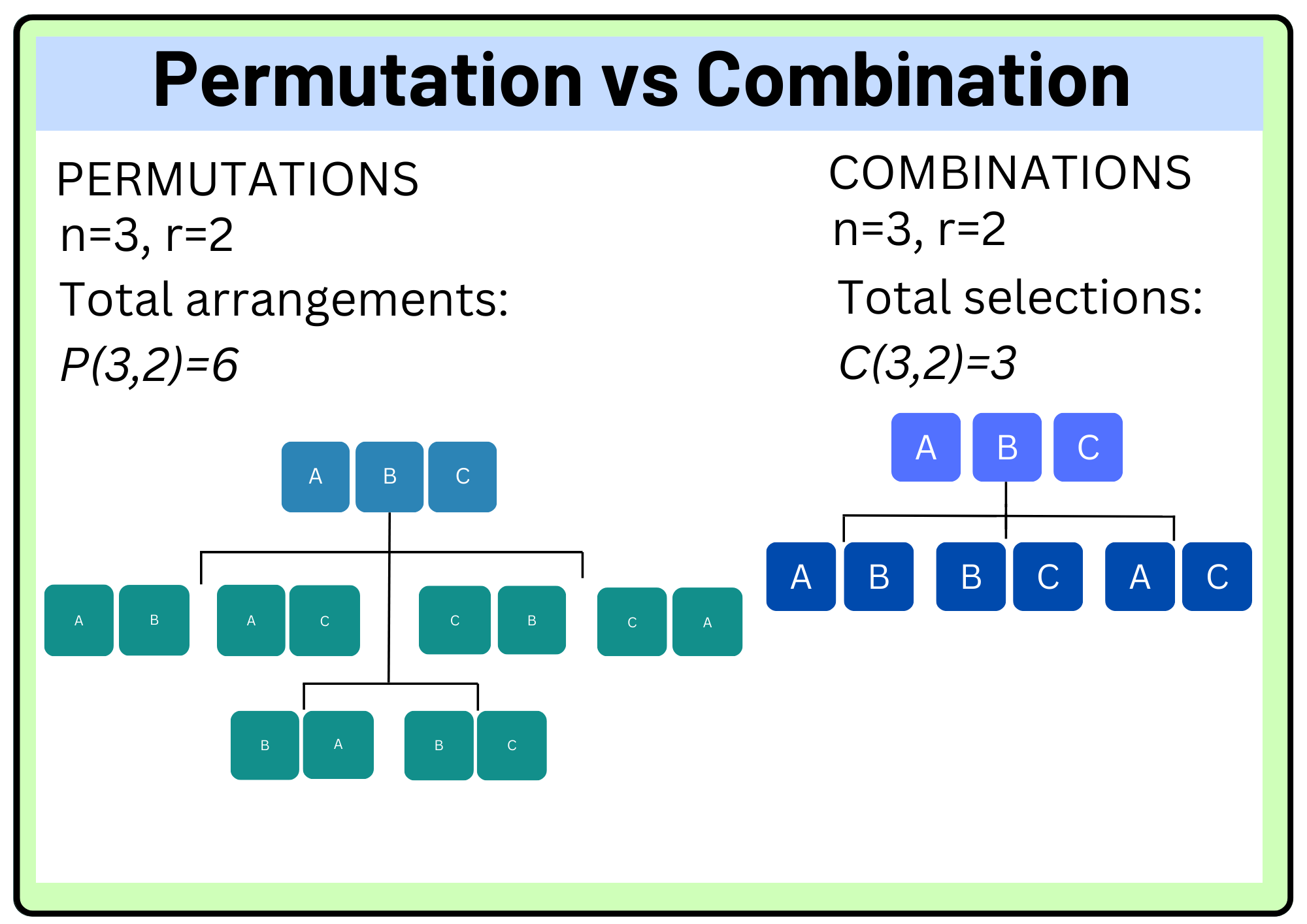
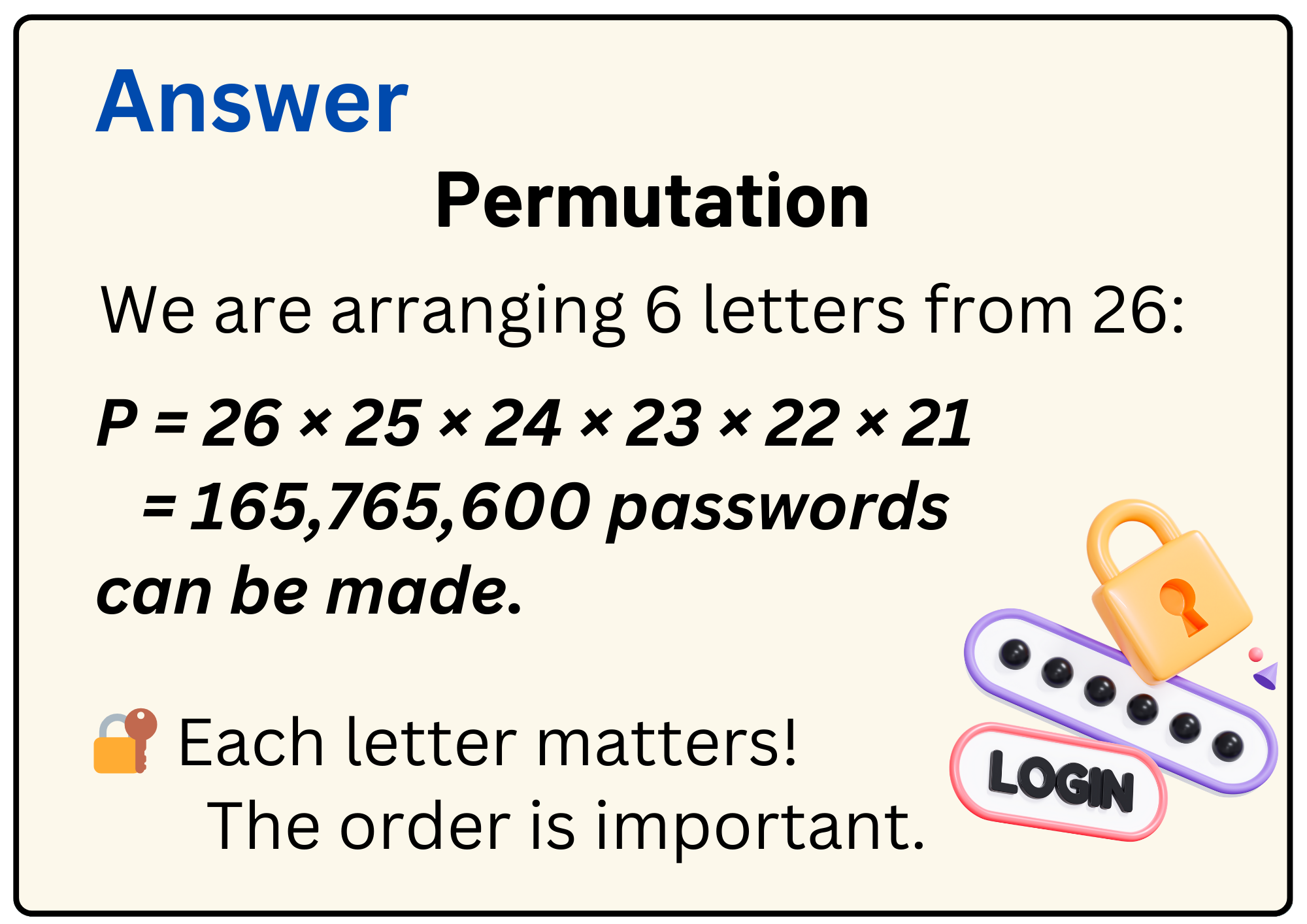
Permutations

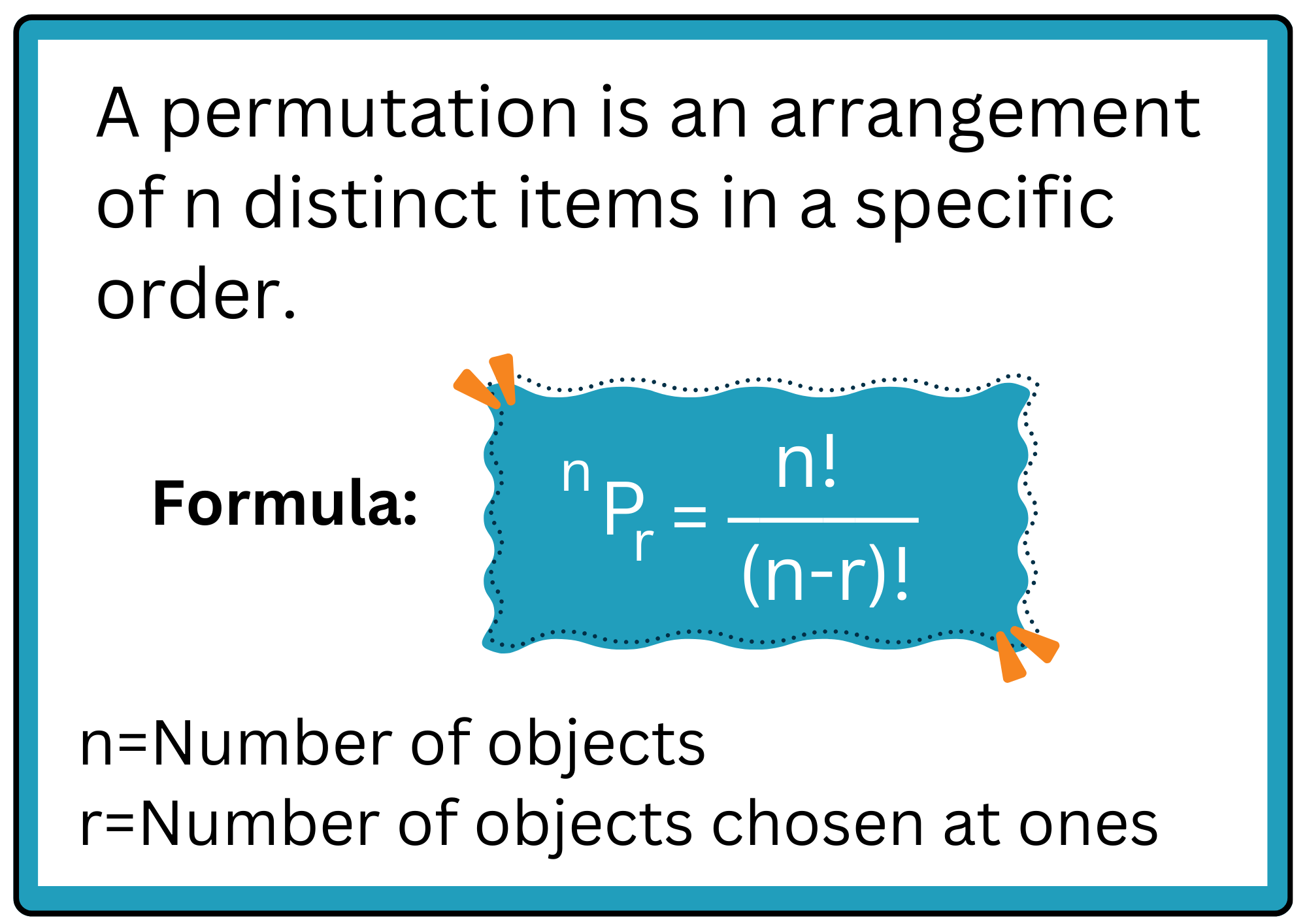
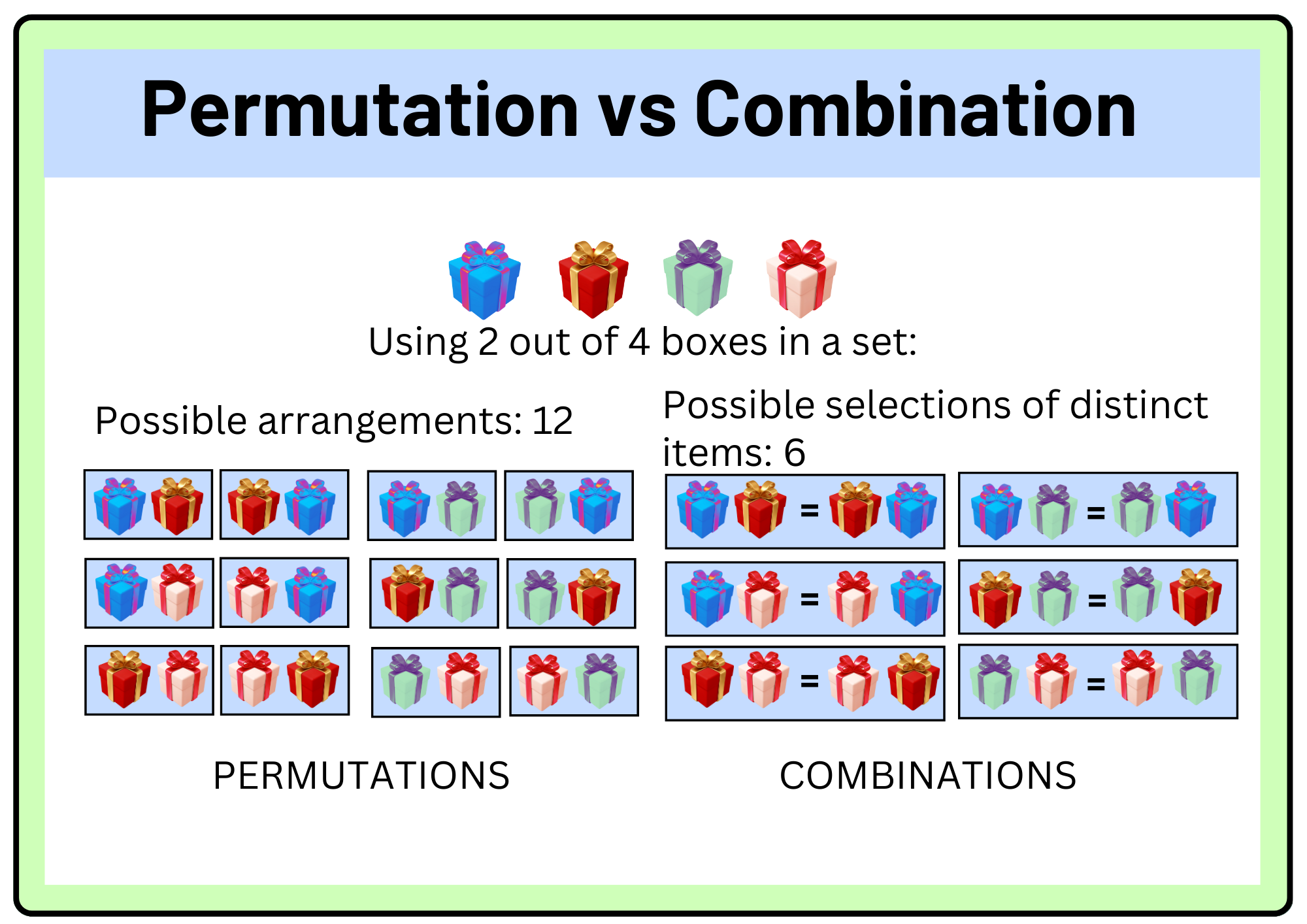
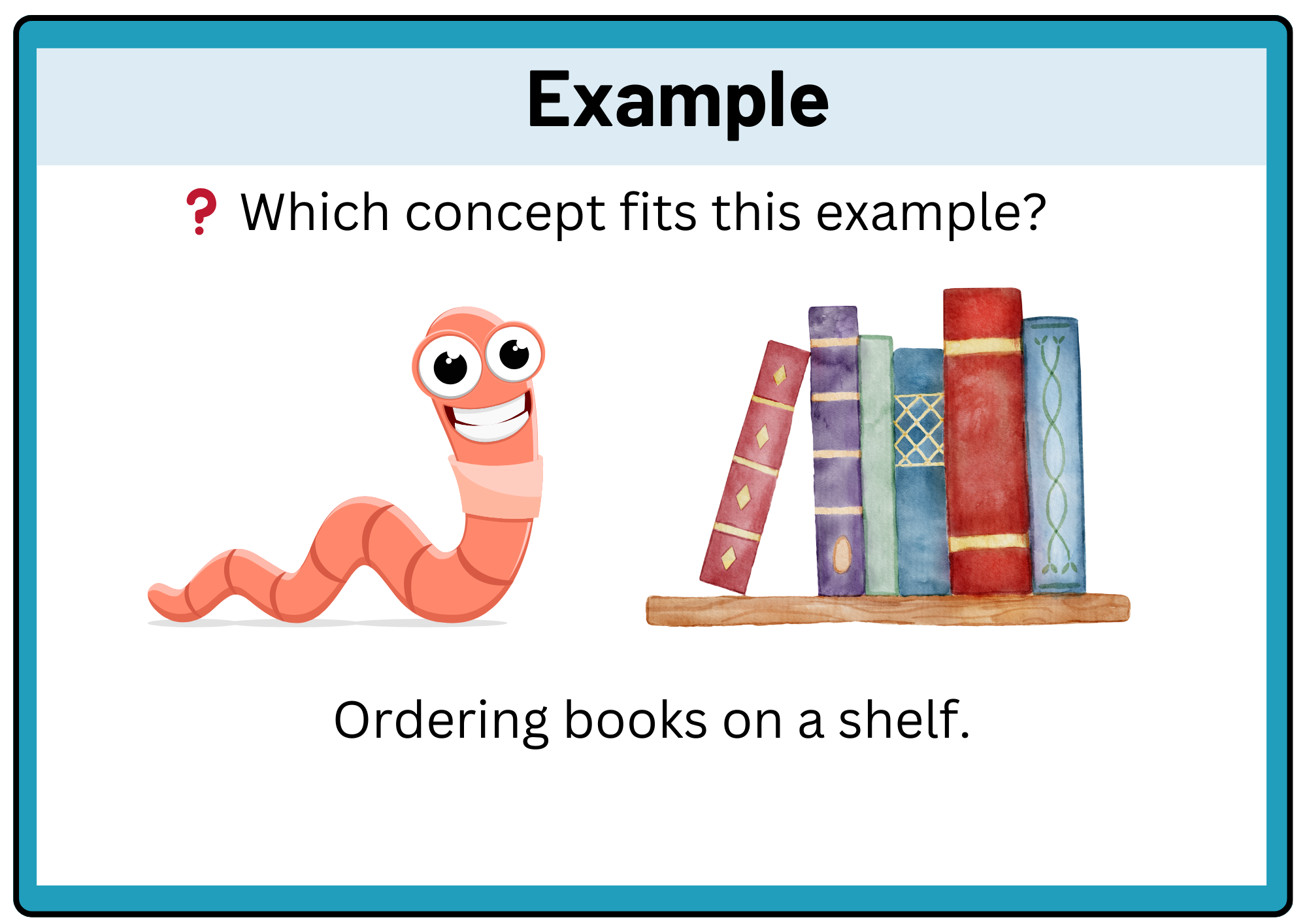
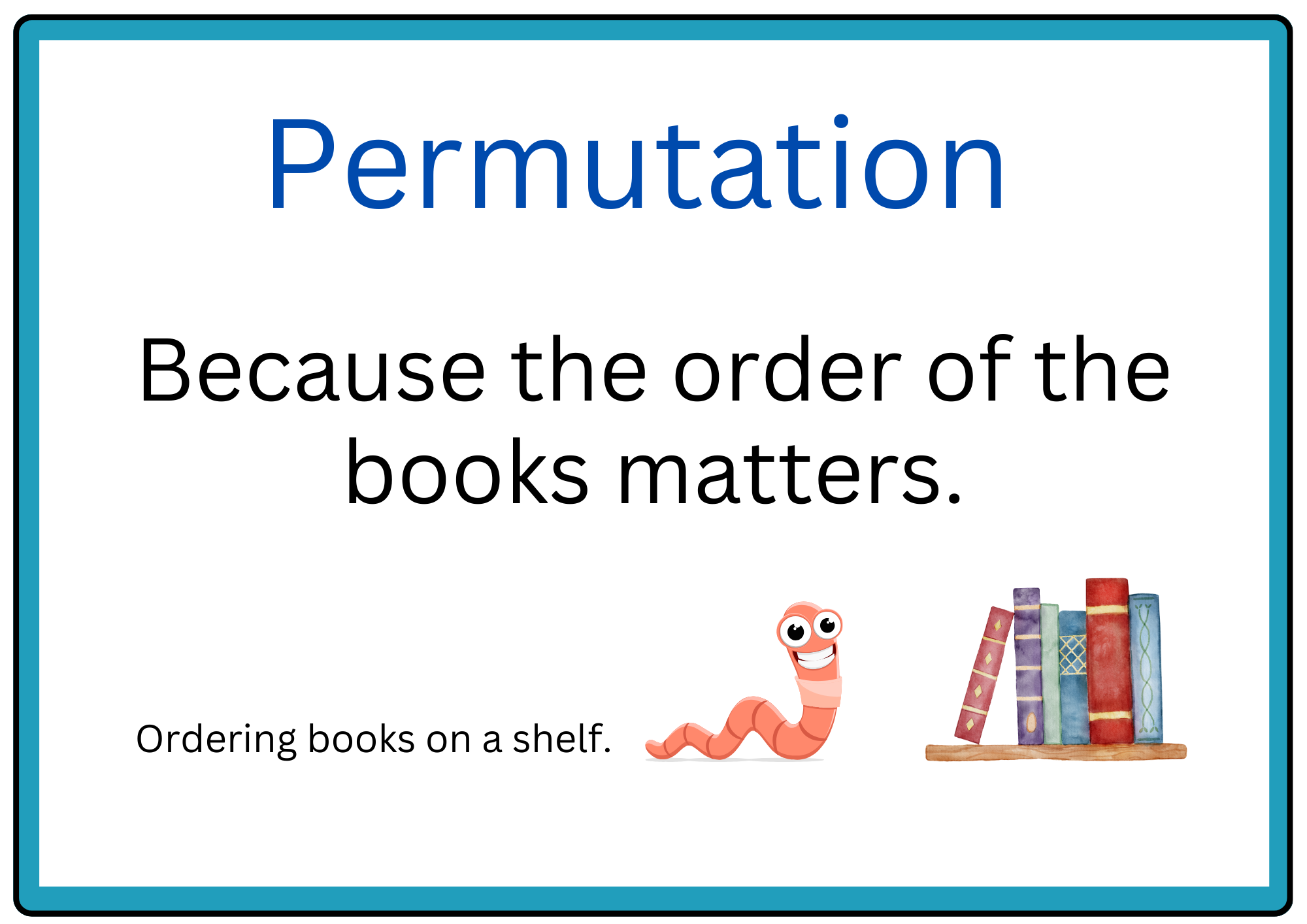
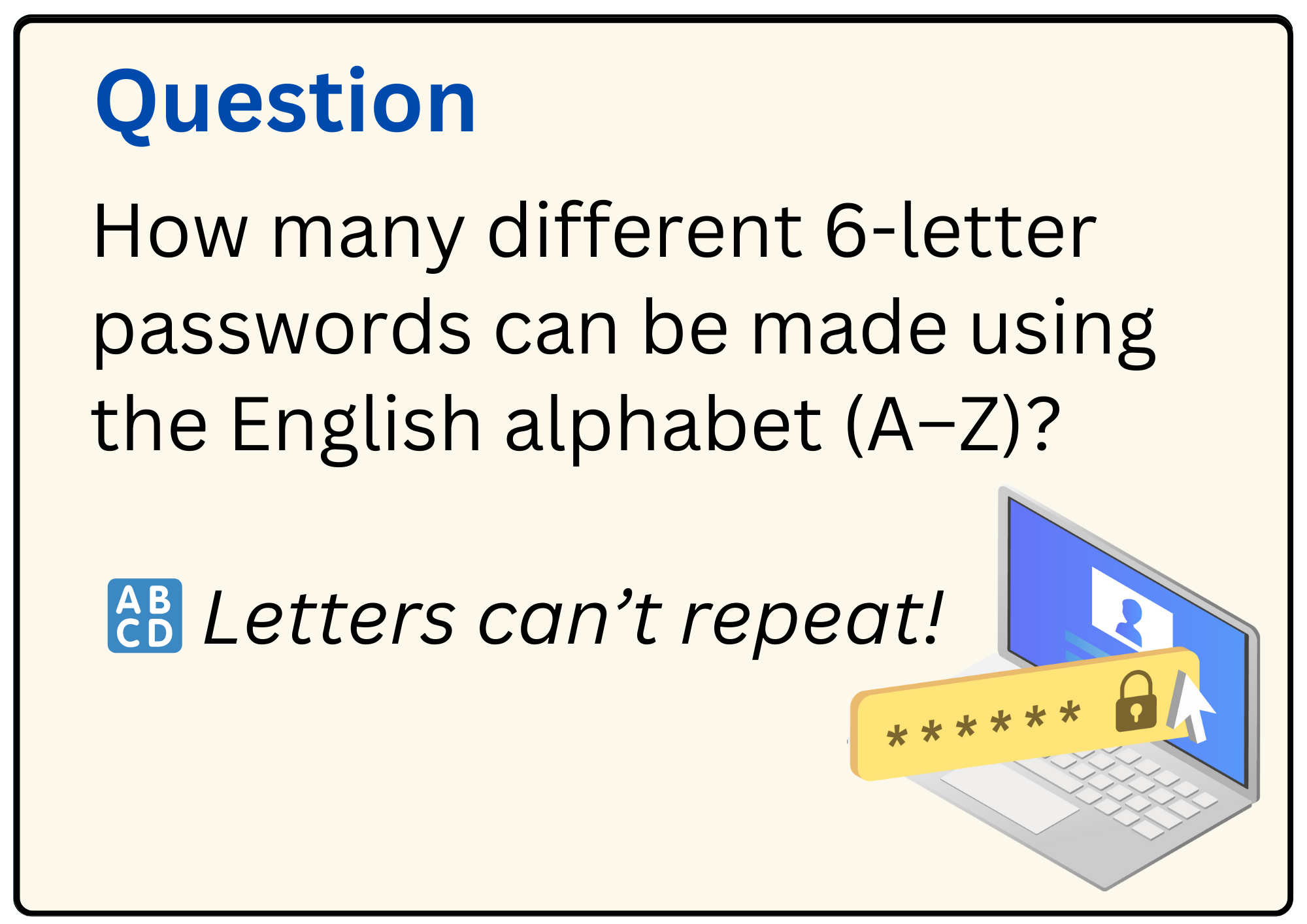
  • Order Matters → Changing the order creates a different permutation.
  • No Repetition (in most cases) → Elements are used only once unless specified.
  • Factorial Growth → The number of permutations increases rapidly as elements increase.
  • Arrangement of Elements → Used for organizing objects in sequences.

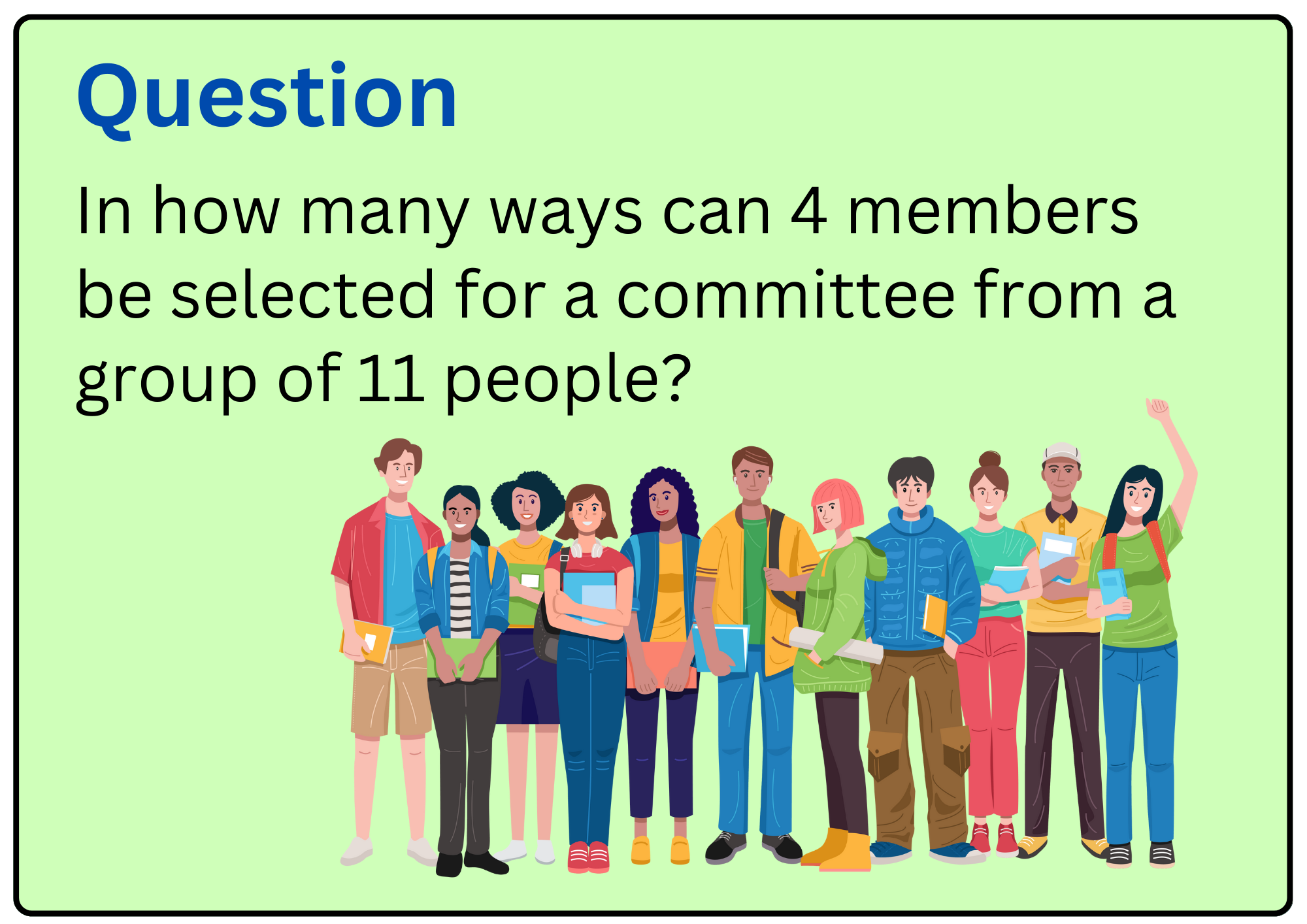
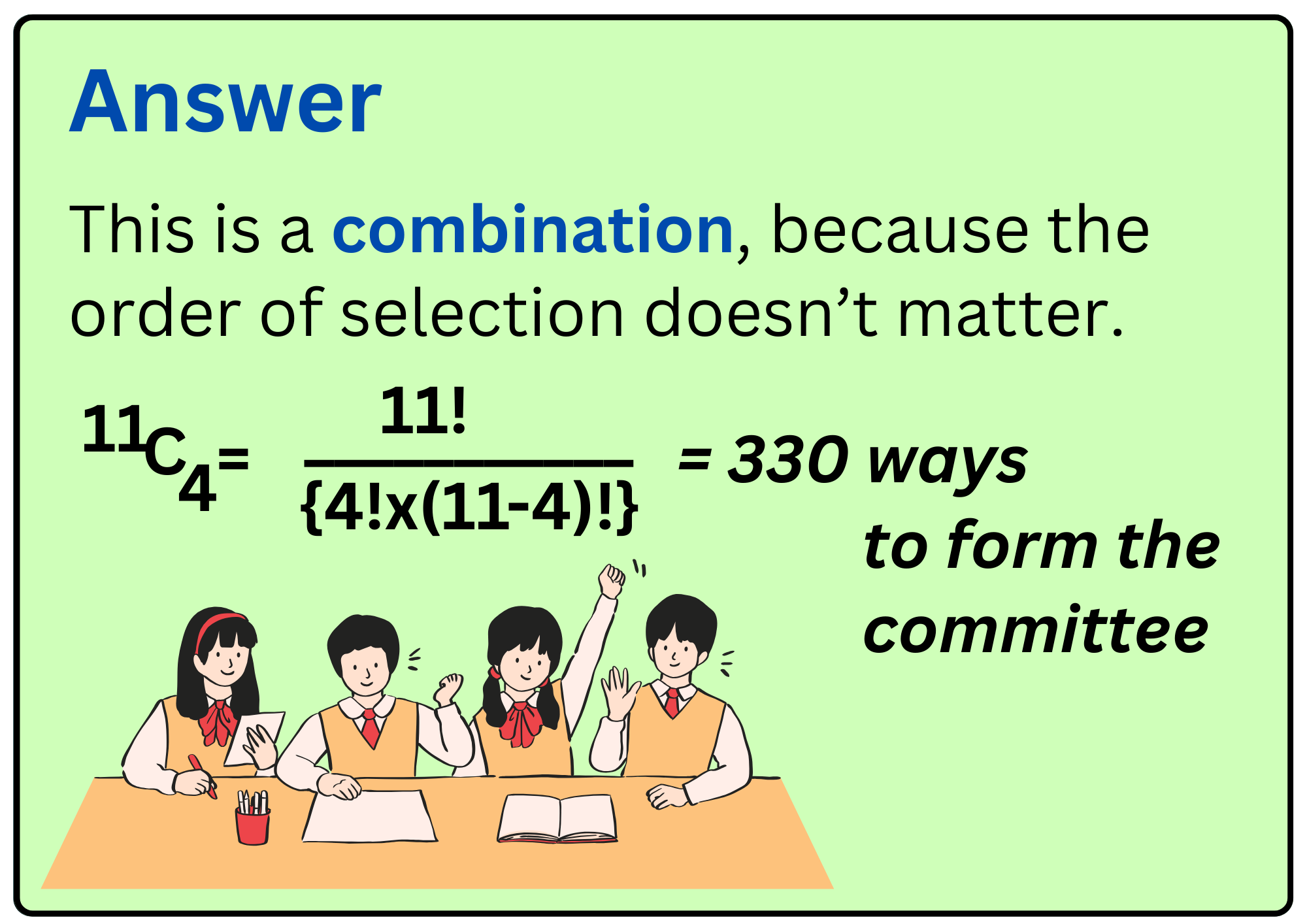
Combinations

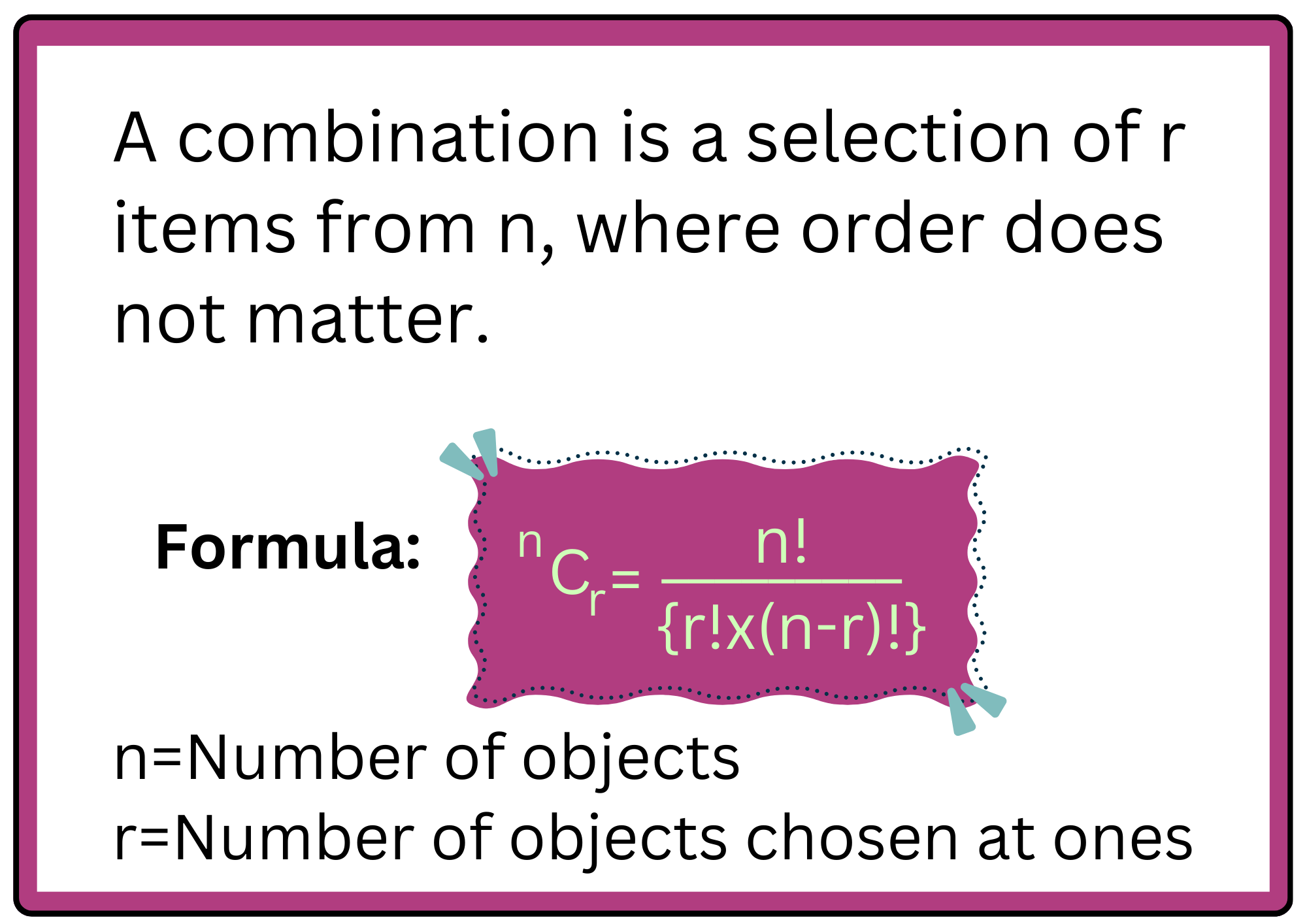
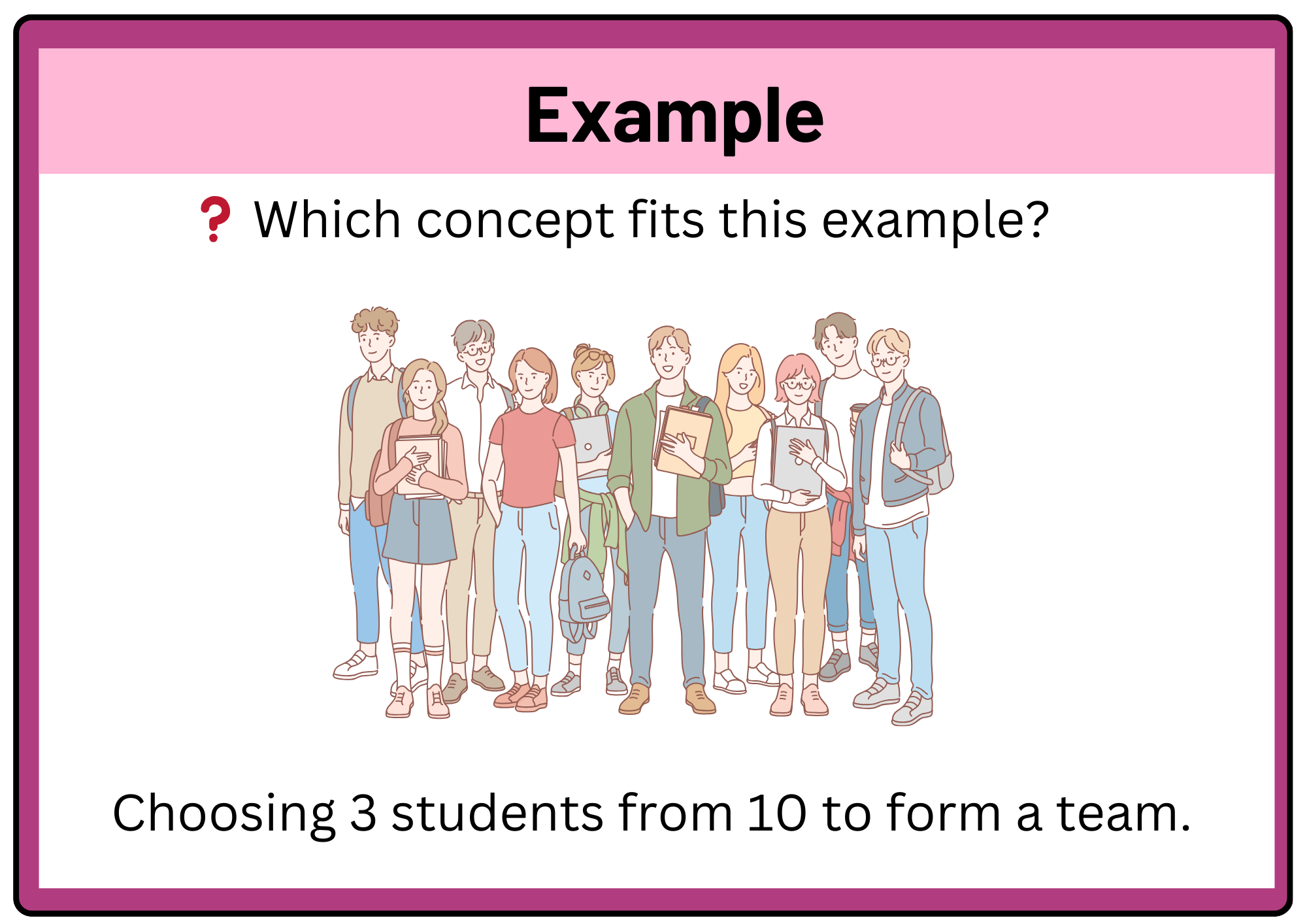
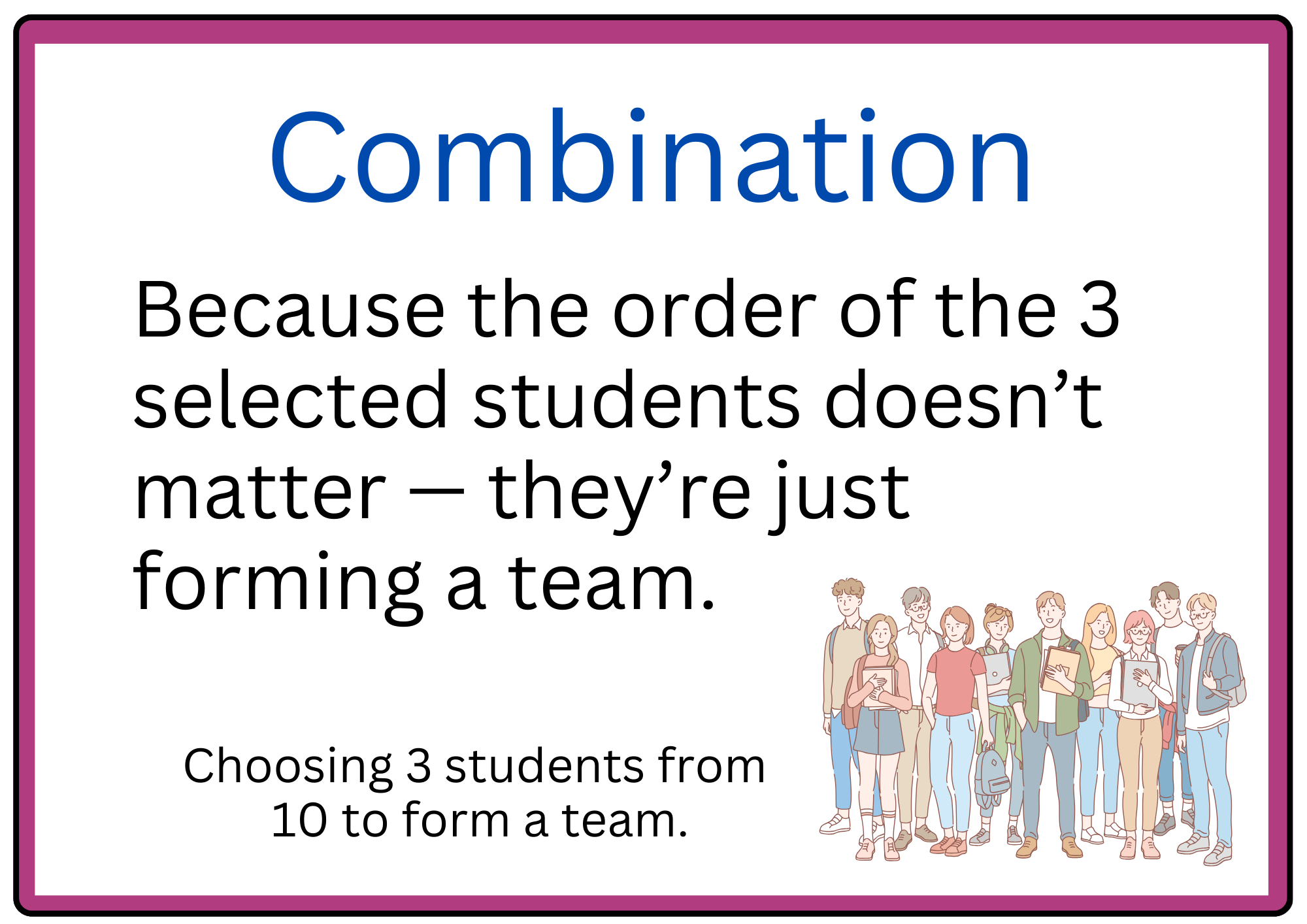
  • Order Doesn't Matter → Different orders of the same group are considered the same.
  • No Repetition (in most cases) → Each element is chosen only once.
  • Smaller Than Permutations → Fewer possible combinations than permutations for the same set.
  • Selection of Elements → Focuses on choosing items, not arranging them.

Probability

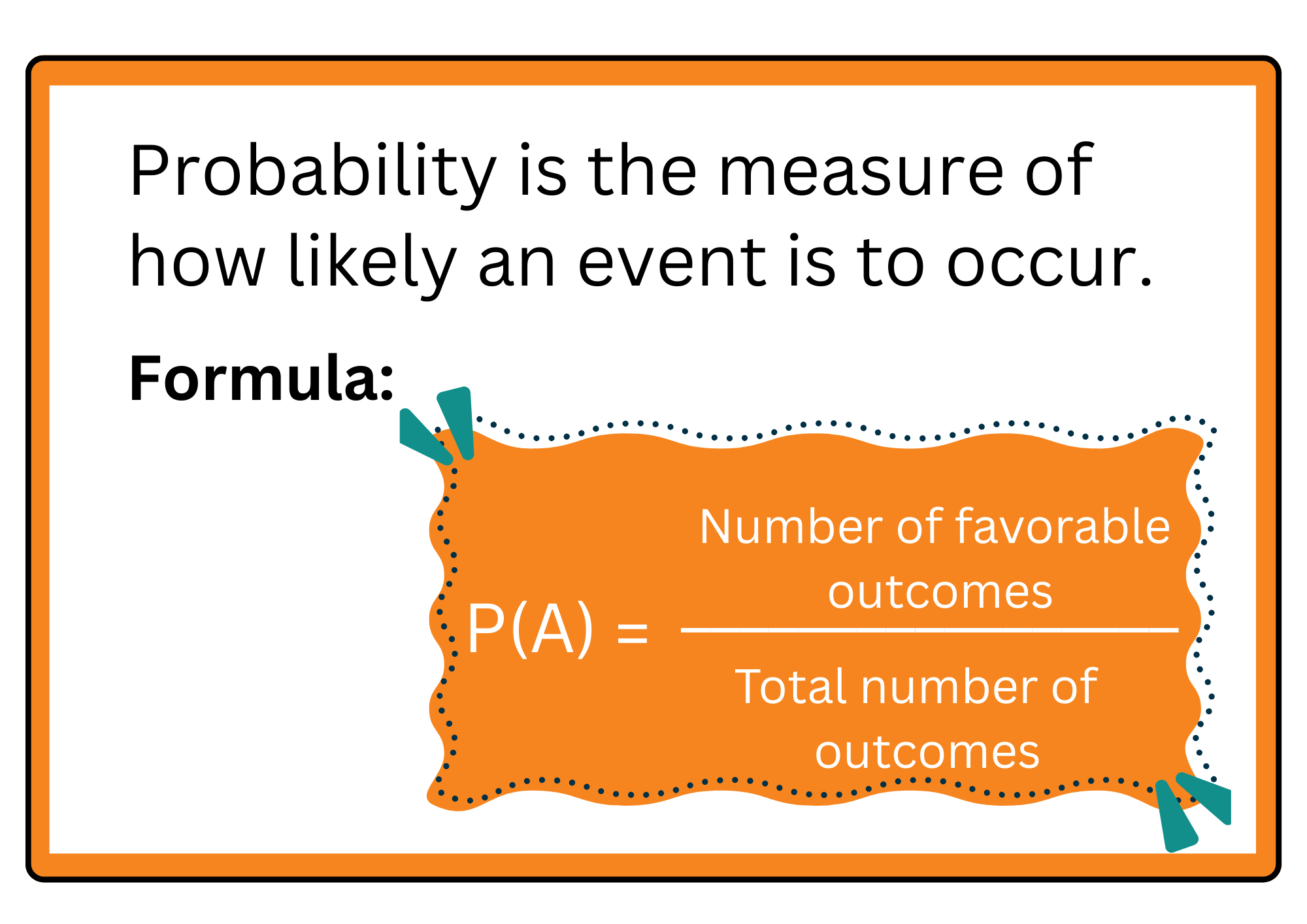
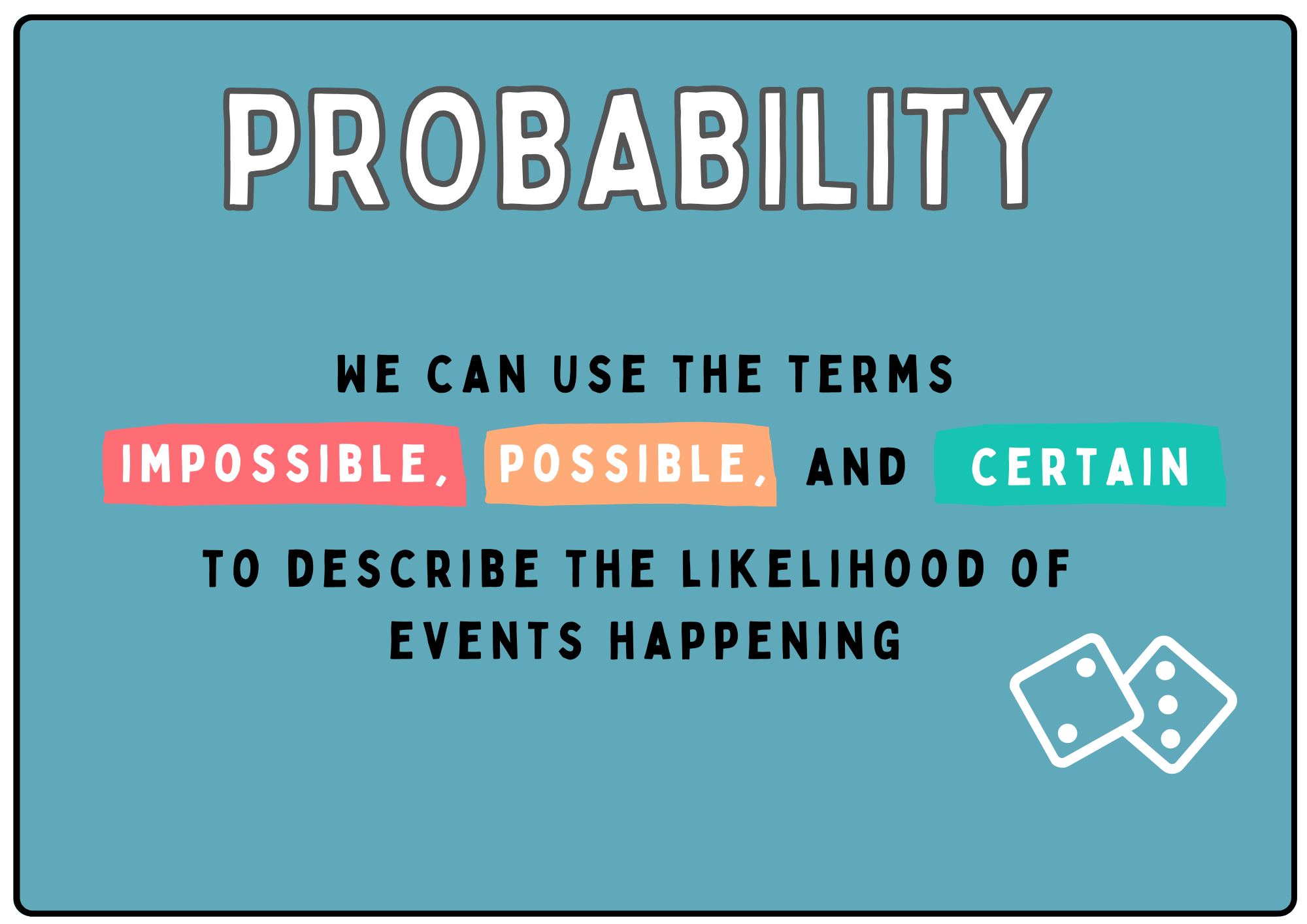
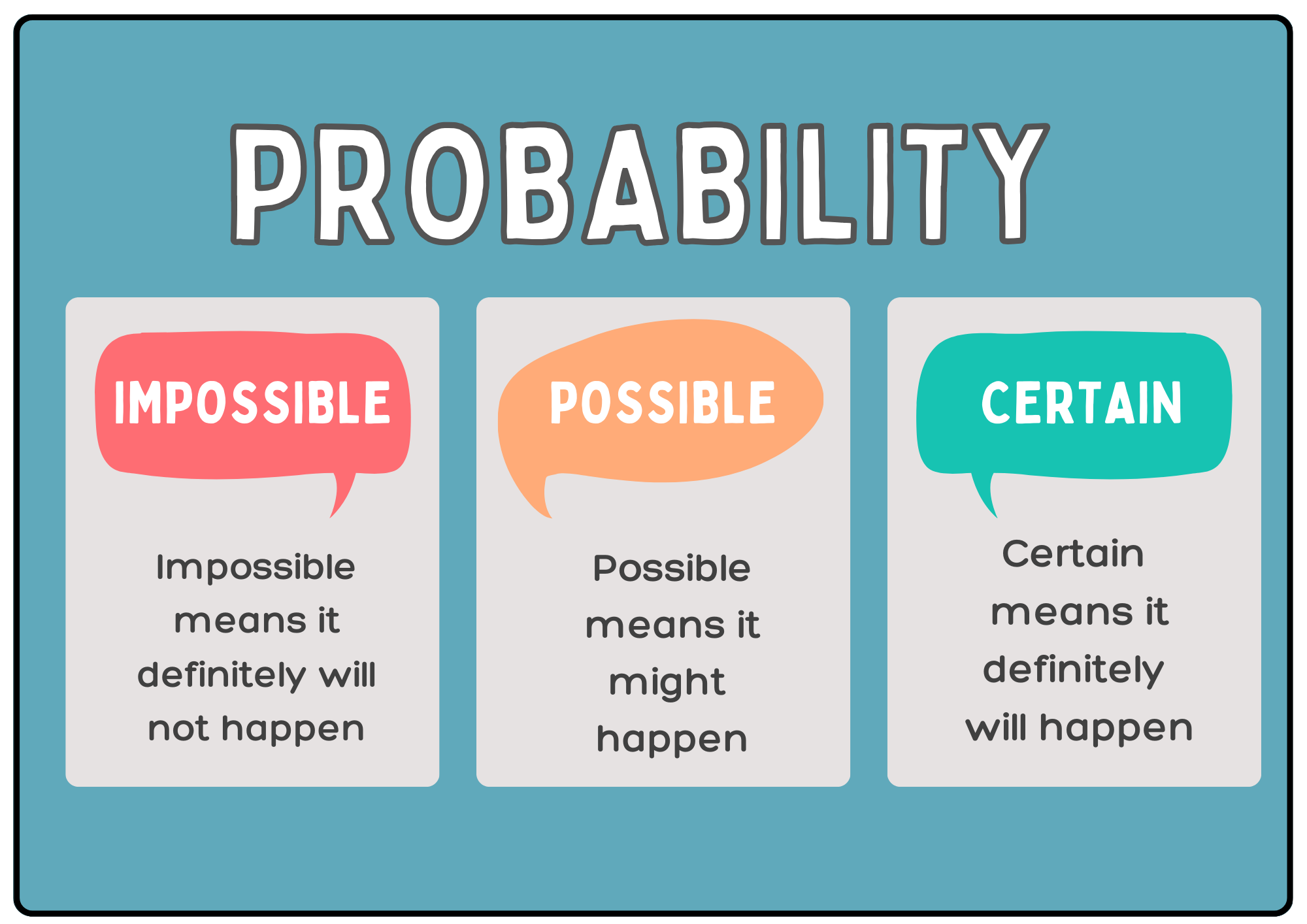
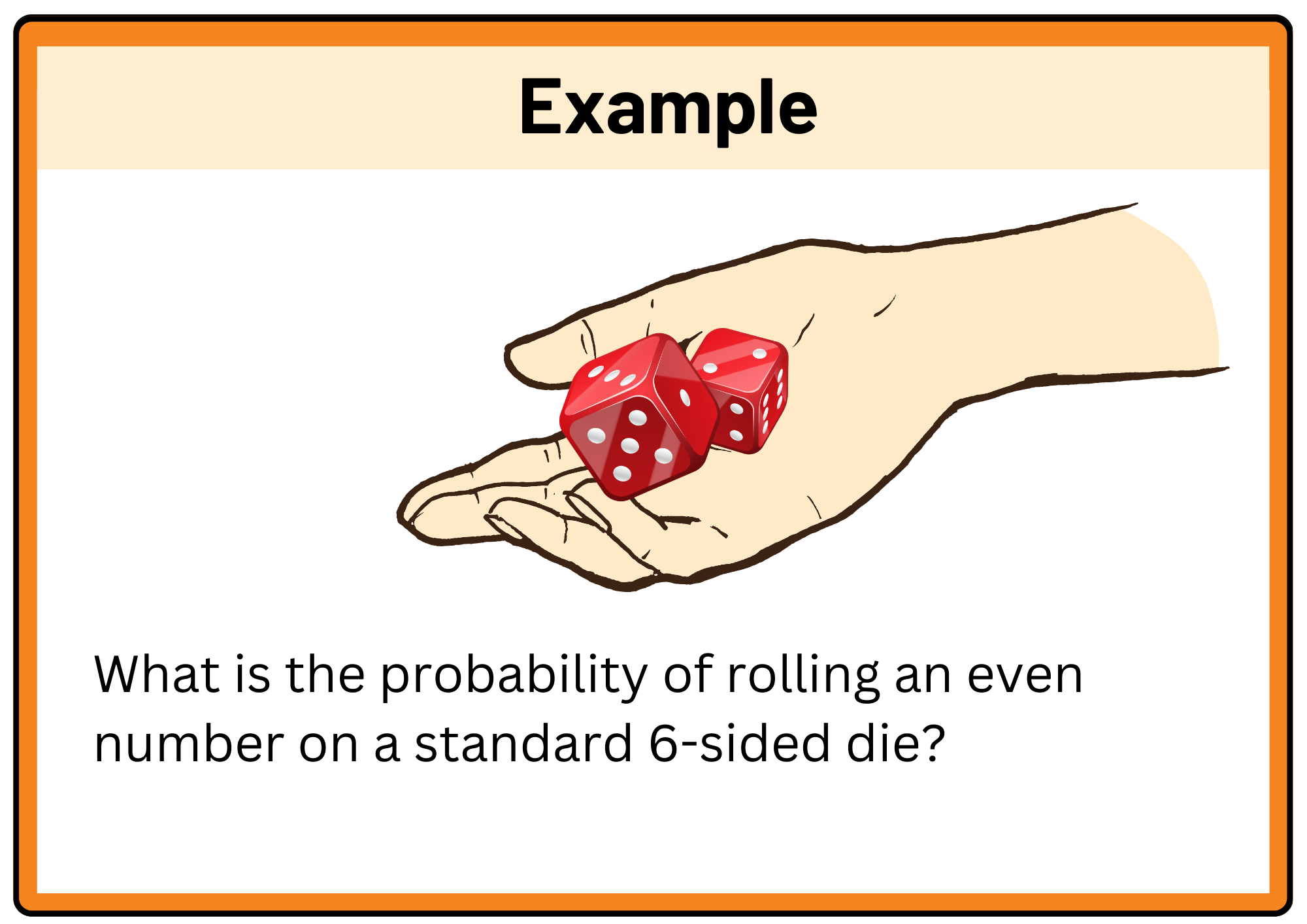
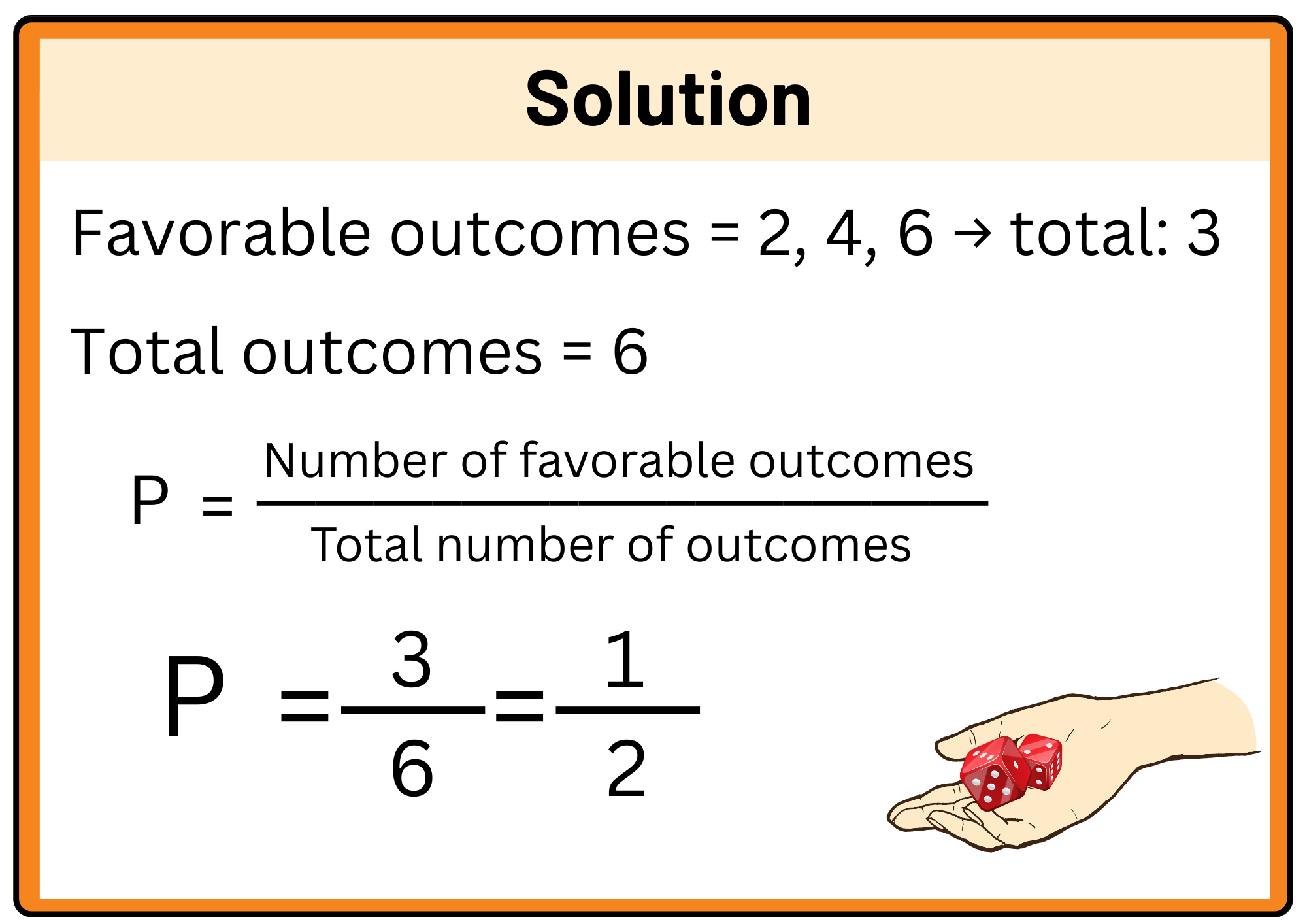
  • Range Between 0 and 1 → Probability values are always between 0 (impossible) and 1 (certain).
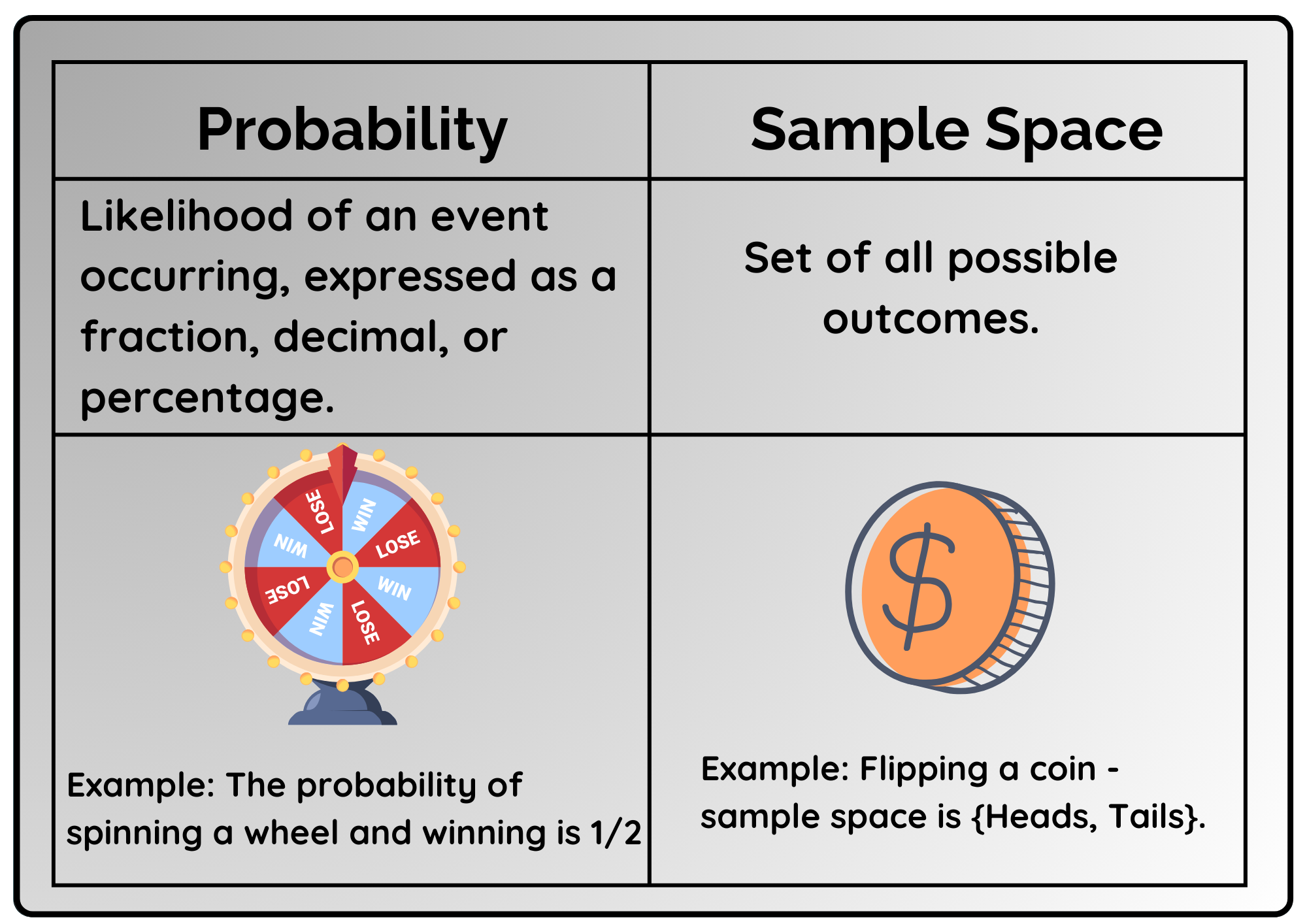
  • Sum of Probabilities → The total probability of all possible outcomes equals 1.
  • Independent & Dependent Events → Some events don’t affect others, while some do.
  • Conditional Probability → The probability of an event given that another has occurred.

Permutations, Combinations, and Probability

Unlock the power of mathematical possibilities! From arranging elements in different orders (permutations) to selecting groups without concern for sequence (combinations), these principles help us calculate outcomes with precision. Probability ties it all together, measuring the likelihood of events in real-world scenarios. Whether you're solving puzzles, analyzing data, or making predictions—understanding these concepts gives you an edge in decision-making!